
Feeling anxious or overwhelmed can make it hard to stay connected to the present. Your thoughts race, your heart pounds, and it might feel like everything is slipping out of control.
Grounding yourself during these moments can help bring back a sense of calm and focus. By using simple techniques that rely on your senses or gentle reminders, you can begin to ease the overwhelm.

Table of Contents
Positive affirmations are a powerful complement to grounding exercises. Repeating kind, reassuring statements can shift your mindset and help you quiet anxious thoughts.
To make this even easier, we’ve included free printable positive affirmation cards to serve as daily reminders of your strength and resilience.
If you’re searching for practical steps to feel calmer, more present, and better equipped to handle stress, you’re in the right place. This guide offers tools and ideas to gently ground yourself, manage anxiety, and reclaim your peace of mind.
Key Takeaways
- Grounding techniques help ease anxiety and overwhelm.
- Positive affirmations promote calm and build confidence.
- Free printable affirmation cards offer daily reassurance.
Understanding Anxiety, Overwhelm, and How to Ground Yourself

Anxiety and finding yourself overwhelmed are common experiences that can make you feel disconnected from stability and peace. Grounding techniques provide ways to gently anchor yourself in the present moment, helping you regain control of both your mind and body.
What Is Anxiety and Why Do We Feel Overwhelmed?
Anxiety often comes with a sense of dread or apprehension about future events. It’s your body’s natural response to stress, triggered by factors like uncertainty or demanding situations.
Overwhelm, on the other hand, happens when you feel buried under responsibilities, emotions, or external pressures. You might notice physical symptoms like racing thoughts, muscle tension, or shallow breathing.
These can make even simple tasks feel impossible, leading to a spiral of feeling “stuck.” This is your fight-or-flight response trying to protect you.
Knowing that anxiety and overwhelm are part of how your brain processes stress can be empowering. They’re signals, not permanent states, and recognizing this can help you approach them with patience and kindness toward yourself.
The Importance of Grounding in Challenging Moments
Grounding creates an anchor for your mind and body when emotions or fears are running high. It’s a practice that shifts your focus from swirling thoughts back to the present moment, giving you a sense of solid footing.
When you feel disconnected or swept up by anxious thoughts, grounding helps you stay tethered to what’s manageable. Techniques often involve sensory experiences—like noticing textures or scents—or mental exercises, such as counting backward.
These redirect your attention away from stress. Grounding isn’t just a distraction; it’s a powerful way to remind yourself that you’re in control.
It makes your surroundings feel real and tangible again, reinforcing your ability to navigate challenges moment by moment.
Benefits of Developing Grounding Techniques
Learning to ground yourself can have long-lasting effects on your well-being. It eases physical symptoms like tense muscles or rapid breathing, while mentally reducing intrusive or racing thoughts.
This combination promotes a deeper sense of calm. Regular practice builds resilience.
Over time, grounding equips you with tools to handle stressful situations. You’ll find it easier to recover when anxiety arises because your mind and body naturally know what steps to take.
Grounding also nurtures personal growth. Discovering how to manage intense emotions with compassion lets you feel empowered and increasingly secure in your ability to face life’s challenges.
Grounding Techniques for Immediate Relief

Anxiety and moments of overwhelm can pull you out of the present, leaving you feeling unsteady and disconnected. Grounding yourself can bring emotional balance by anchoring your thoughts and refocusing your attention on the here and now.
Simple Physical Grounding Exercises
Physical exercises are a quick and powerful way to reconnect with your body during stressful moments. These activities draw your focus to tactile sensations, helping you feel rooted in the present.
Try holding onto an object with an interesting texture, like a smooth rock or a fuzzy blanket. Feel the surface and note its patterns or temperature.
Similarly, pressing your feet firmly into the ground or intentionally stretching can create stability. Walking barefoot on grass or carpet provides sensory feedback that helps you feel connected to your environment.
Touch ten objects around the room, focusing on their shapes and textures. Even clapping or snapping your fingers rhythmically can shift your focus by engaging your sense of sound and motion.
Breathing Techniques to Find Calm
Mindful breathing is one of the simplest ways to regulate overwhelming emotions. You can use techniques like the 4-7-8 method, where you inhale for four seconds, hold your breath for seven seconds, and exhale for eight seconds.
This steady rhythm calms your nervous system. Another option is square breathing, sometimes called box breathing.
Visualize a square as you breathe: inhale for four seconds, hold for four, exhale for four, and hold again for four. Repeat several times.
If you’re panicking, rapid breathing can feel disorienting. Focus on slowing down your breath by gently counting each inhale and exhale.
Let your breath expand your chest fully, and imagine tension leaving your body with every exhale. Breathing evenly through your nose can make you feel grounded and centered.
Mindfulness Practices for Staying Present
Mindfulness techniques help you reconnect with the present moment and disrupt spiraling thoughts. The 5-4-3-2-1 grounding exercise is effective for this.
Identify five things you can see, four you can touch, three you can hear, two you can smell, and one you can taste. Describing your surroundings aloud can also bring clarity.
Share details about objects or colors, focusing on how they make you feel. Speaking these observations out loud can interrupt anxious thought loops.
Journaling works too. Write down what you’re experiencing in detail, or list three things you’re grateful for.
Visualization exercises, like imagining roots extending from your feet into the ground, can foster a comforting sense of stability. These small practices help tether you to the moment.

Harnessing the Power of Positive Affirmations
Positive affirmations are simple, empowering phrases you say to yourself intentionally. They can boost your confidence and help reshape anxious, overwhelming thoughts into calm, grounded ones.
Incorporating affirmations into your daily life can nurture self-love, increase optimism, and set the tone for healthier emotional patterns.
What Are Affirmation Cards and How Can They Help?
Affirmation cards are small, printed prompts designed to inspire and uplift. These cards often feature simple, positive phrases such as “I am worthy” or “I can handle challenges” that reinforce healthy self-talk.
You can carry them with you, display them at home, or use them during moments of self-reflection. Having your affirmations in physical form adds a tactile, interactive element.
They give you quick reminders throughout your day, without relying on screens or digital distractions. Printable affirmation cards are easy to use and personalize, letting you choose messages that resonate deeply with your current struggles and goals.
Simply looking at or reading one card aloud can help refocus your energy during anxious moments or remind you of your inner strength. It’s like having comforting words on-hand that keep negativity in check.
Incorporating Positive Affirmations into Your Morning Routine
Starting your day with affirmations can set the tone for calmness and control. Mornings are a chance to ground yourself before the demands of the day pull your attention in different directions.
Consider setting aside five minutes after waking up to practice affirmations. You can do this while sipping tea, stretching, or sitting quietly.
Choose affirmations that address how you want to feel today—confident, peaceful, or capable—and repeat them aloud or in your mind. Pair your affirmations with mindfulness activities for more impact.
Write down a few affirmations in your journal or display your affirmation cards on your bedside table. Seeing these messages first thing can help shift any anxious thoughts to a more positive mindset.
Building Confidence, Self-Love, and Positivity Daily
Regularly using affirmations is like exercising a muscle—it strengthens your mindset over time. Positive phrases encourage you to see yourself in a kinder, more supportive light, which can boost your self-love and overall confidence.
Try weaving affirmations into your daily rituals. For instance, tell yourself “I am enough” while washing your hands or “I can do hard things” before a stressful moment.
Use affirmations that resonate with where you are emotionally. On hard days, focus on grounding phrases like “I have the strength to get through this.”
On brighter days, affirm things like “I am growing every day” to foster gratitude and optimism. Over time, these affirmations help you build a reliable inner voice—a voice that lifts you up instead of tearing you down.
Using Free Printable Positive Affirmation Cards

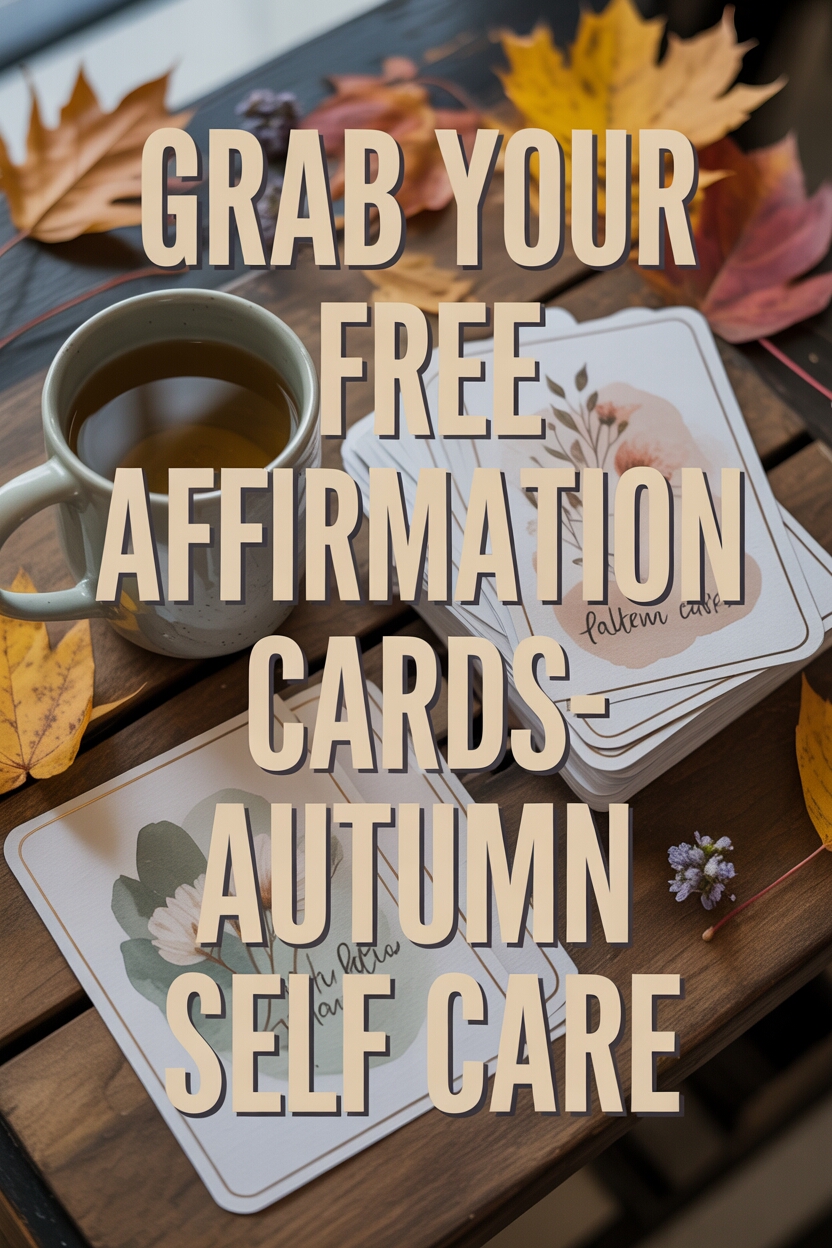
Free printable affirmation cards offer a simple way to bring kindness and self-encouragement into your daily life. They can help you navigate moments of stress and remind you of your strengths, values, and goals.
Using these cards can be as creative or as routine-based as you like, making them a versatile tool for grounding yourself.
Get the FREE Positive Affirmation Cards!
Creative Ways to Use Printable Affirmation Cards
You can display affirmation cards in places that instantly catch your attention. For example, tape one to your bathroom mirror for a boost each morning or keep a card in your wallet for on-the-go support.
These small reminders can shift your mindset without any extra effort. Another idea is to incorporate affirmation cards into a vision board.
Place them alongside images that represent your dreams and goals for added motivation. If you enjoy journaling, pick one card each day and write about what the affirmation means to you.
This practice encourages reflection and makes affirmations feel more personal. Sharing printable positive affirmations with loved ones can also be meaningful.
Give them as a thoughtful gift or include a card in a letter to brighten someone’s day.
Tips for Making Affirmations a Daily Habit
To develop a habit of using affirmation cards, consistency is key. Start by choosing a dedicated moment each day for affirmation practice, like during your morning routine or while winding down in the evening.
Try pairing affirmations with another activity, like deep breathing or meditation, for a calming ritual.
You can even place printable positive affirmations where you’ll naturally see them—your workspace, fridge, or car dashboard. This helps make affirmations part of your environment.
Create a rotation system. Every week, pick a few new cards to focus on so you can keep things fresh and engaging.
You might even find certain affirmations resonate more depending on where you are in life. Allow space to explore their impact as your needs change.
Frequently Asked Questions
When anxiety or overwhelm hits, grounding techniques and positive affirmation cards can be simple yet powerful ways to bring yourself back to the present.
Below, you’ll find practical tips and ideas to help you navigate these moments with greater ease and calm.
What are some effective grounding techniques for anxiety and overwhelming feelings?
Grounding techniques help you connect with the present moment instead of spiraling into anxious thoughts.
Simple approaches like the 5-4-3-2-1 technique use your senses to focus on your surroundings.
You can name five things you see, four you can touch, three you hear, two you smell, and one you taste.
Other options include holding onto a textured object or running cool water over your hands.
Taking slow walks while noticing small details around you can also help.
Can positive affirmation cards help with stress, and how do I use them?
Positive affirmation cards offer reassuring messages that shift your mindset and encourage self-kindness.
Repeating phrases like “I am safe” or “I am doing my best” can break negative thought cycles.
Keep them somewhere accessible, like your desk or bag, and pull one out anytime stress builds.
Make the practice personal by choosing affirmations that resonate with you.
Writing your own affirmations adds a thoughtful, customized touch that deepens their impact.
Which breathing exercises work best for calming anxiety quickly?
Deep, intentional breathing activates your body’s relaxation response.
Exercises such as diaphragmatic breathing or box breathing are great choices.
For diaphragmatic breathing, inhale deeply through your nose, letting your belly expand.
Then exhale slowly through your mouth.
In box breathing, inhale for four counts, hold for four counts, exhale for four counts, and pause for another four counts.
Repeat until you sense a noticeable calm settling in.
What steps can I take to practice grounding myself in moments of high stress?
When tension feels overwhelming, start small.
Notice your physical environment—what colors or textures catch your eye?
Pair this with deep breathing or move your body with gentle stretches or a slow walk.
Distraction activities like doodling can also help redirect spiraling thoughts.
Physical sensations, like holding a warm mug of tea or squeezing a stress ball, bring your focus back to the here and now.
These steps are quick and require little effort to start.
How can I incorporate mindfulness practices into my daily routine to prevent feeling overwhelmed?
Begin by setting aside just a few minutes each day.
Mindfulness can look like sipping your coffee while fully noticing its flavor and warmth or stepping outside to take in nature.
Apps offering guided mindfulness exercises can ease you into this habit until it feels natural.
Journaling can also support mindfulness, especially if you reflect on things that bring you gratitude or joy.