Your nervous system is running the show. Every reaction, every tension pattern, every moment of overwhelm or calm — it all starts here. And yet most of us never learned how to work with it rather than just pushing through.
Nervous system regulation isn’t about forcing yourself to calm down. It’s about giving your body what it needs to find its own way back to balance. And the beautiful thing is, your body already knows how to do this — it just needs a little help remembering.
These 15 gentle nervous system regulation exercises are designed for real life — not just quiet meditation rooms. They work in your kitchen, at your desk, in the car park before a meeting, and in bed when sleep won’t come. No experience needed. Just your body and a willingness to slow down for a few minutes.
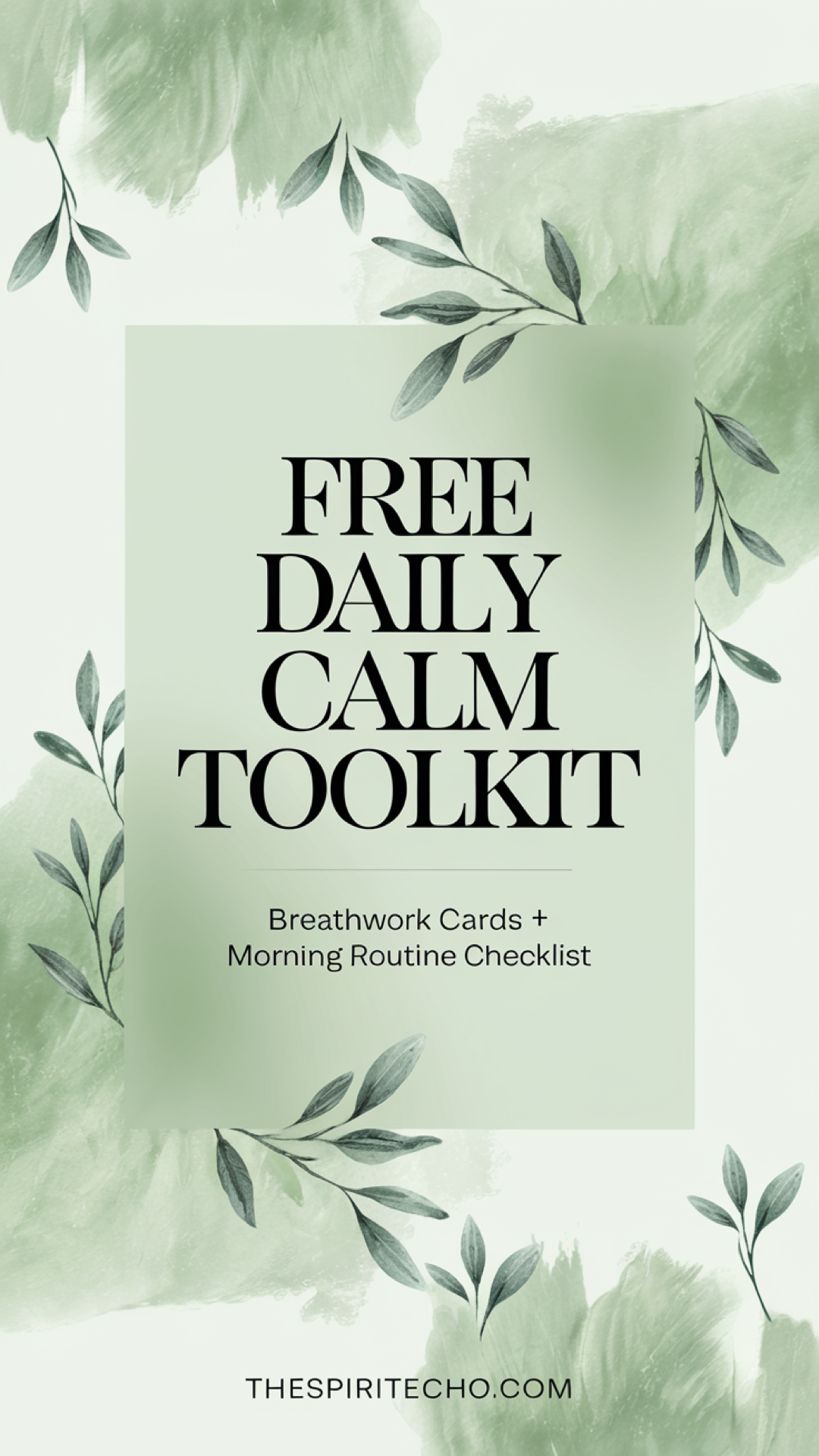
Grab your free Daily Calm Toolkit at the end of this post — it includes printable breathwork cards, nervous system exercises, and a mindful morning routine checklist!
Table of Contents
What is Nervous System Regulation?
Quick Answer: Nervous system regulation is the ability to move between states of activation (stress) and calm (rest) in a healthy, flexible way. When your system is well-regulated, you can handle stress without getting stuck in fight-or-flight mode.
Your autonomic nervous system has two main branches. The sympathetic branch is your accelerator — it fires up when you need energy, alertness, or a survival response. The parasympathetic branch is your brake — it handles rest, digestion, healing, and calm. Regulation means these two branches work together fluidly, shifting as needed.
The problem is, many of us are stuck with the accelerator pressed to the floor. Chronic stress, unresolved emotional experiences, and the constant stimulation of modern life can leave your sympathetic nervous system running on high — even when there’s no actual danger. That’s dysregulation.
The exercises below work with your body’s own mechanisms — particularly the vagus nerve — to help your system remember how to shift back into calm. Not by forcing it, but by sending the right signals of safety.
Signs Your Nervous System Might Be Dysregulated
Nervous system dysregulation doesn’t always look like a panic attack. Often it’s subtler than that — a chronic hum of tension that becomes so familiar you stop noticing it’s there. Here are some common signs:
- Feeling “wired but tired” — exhausted yet unable to relax
- Startling easily at small sounds or sudden movements
- Jaw clenching, shoulder tension, or shallow breathing you only notice at the end of the day
- Difficulty falling asleep or waking at 3am with a racing mind
- Emotional reactions that feel bigger than the situation warrants
- Feeling disconnected from your body or emotions (numbness or fog)
- Digestive issues that worsen with stress
If any of these resonate, it’s not a character flaw — it’s your nervous system doing its job in a world that doesn’t always let it rest. These nervous system regulation exercises are designed to help. For more on managing the emotional side, you might also find our guide on breaking negative thought cycles helpful.
Vagus Nerve Stimulation Exercises
The vagus nerve is the longest cranial nerve in your body, running from your brainstem all the way down to your gut. It’s the main communication highway of your parasympathetic nervous system — your body’s built-in calming pathway. Stimulating it is one of the most direct ways to activate your rest-and-restore mode.
1. Cold Water on the Face
This triggers what’s called the “dive reflex” — an ancient mammalian response that instantly slows your heart rate and calms your system. It works within seconds, which makes it perfect for acute stress moments.
How to do it: Splash cold water on your face, focusing on your forehead, temples, and cheeks. Or hold a cold, wet cloth over your face for 30 seconds. For the full effect, hold your breath while the cold water is on your face. You’ll feel your heart rate drop almost immediately.
2. Humming and Chanting
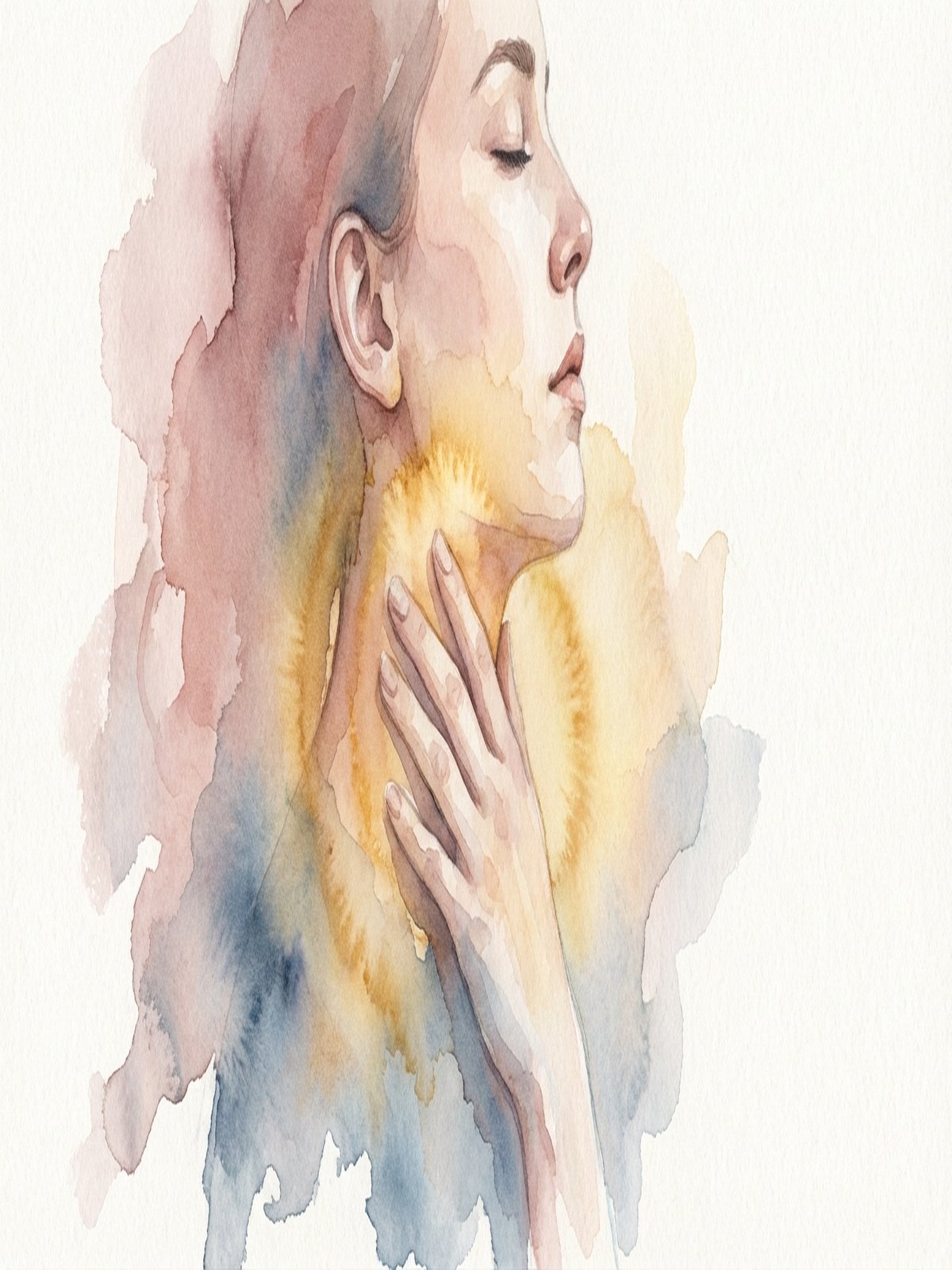
The vagus nerve passes right through your throat. Vibrations from humming, chanting, or even gargling stimulate it directly. This is why “Om” chanting in yoga isn’t just spiritual — it’s physiological.
How to do it: Take a deep breath in. Hum on the exhale for as long as you comfortably can. Feel the vibration in your chest and throat. Repeat for 5-10 breaths. You can also try gargling water vigorously for 30 seconds — it works the same pathway.
3. Gentle Ear Massage
A branch of the vagus nerve runs through the ear — specifically the little flap of cartilage called the tragus and the inner folds of the ear. Gentle massage here sends calming signals directly to your parasympathetic system.
How to do it: Using your thumb and index finger, gently massage the outer edges of both ears, working from the top down to the lobes. Spend extra time on the tragus (the small flap in front of the ear canal). Massage for 1-2 minutes with gentle pressure. Combine it with slow breathing for extra effect.

4. Extended Exhale Breathing
The single simplest rule in nervous system regulation: when your exhale is longer than your inhale, your vagus nerve activates and tells your body to calm down. This is one of the most well-researched vagus nerve exercises available — and it takes about thirty seconds to work.
How to do it: Inhale through your nose for 4 counts. Exhale slowly through your mouth for 8 counts. If 4-8 feels too much, start with 3-6 or even 2-4. The ratio matters more than the count. Continue for 2-5 minutes. For more breathwork techniques, check out our full guide to breathwork exercises for beginners.
5. Social Engagement (Eye Contact and Gentle Voice)
This one might surprise you. According to polyvagal theory, the vagus nerve is deeply connected to our social engagement system. Genuine eye contact, hearing a warm voice, and facial expressions of safety all activate the ventral vagal pathway — the most evolved part of our calming system.
How to do it: Call or video chat with someone who feels safe. Make eye contact during the conversation. Notice how your body responds to their voice and facial expressions. If you’re alone, even watching a comforting video of someone speaking gently can help. The key is genuine connection, even brief.
Somatic Exercises for Anxiety and Stress
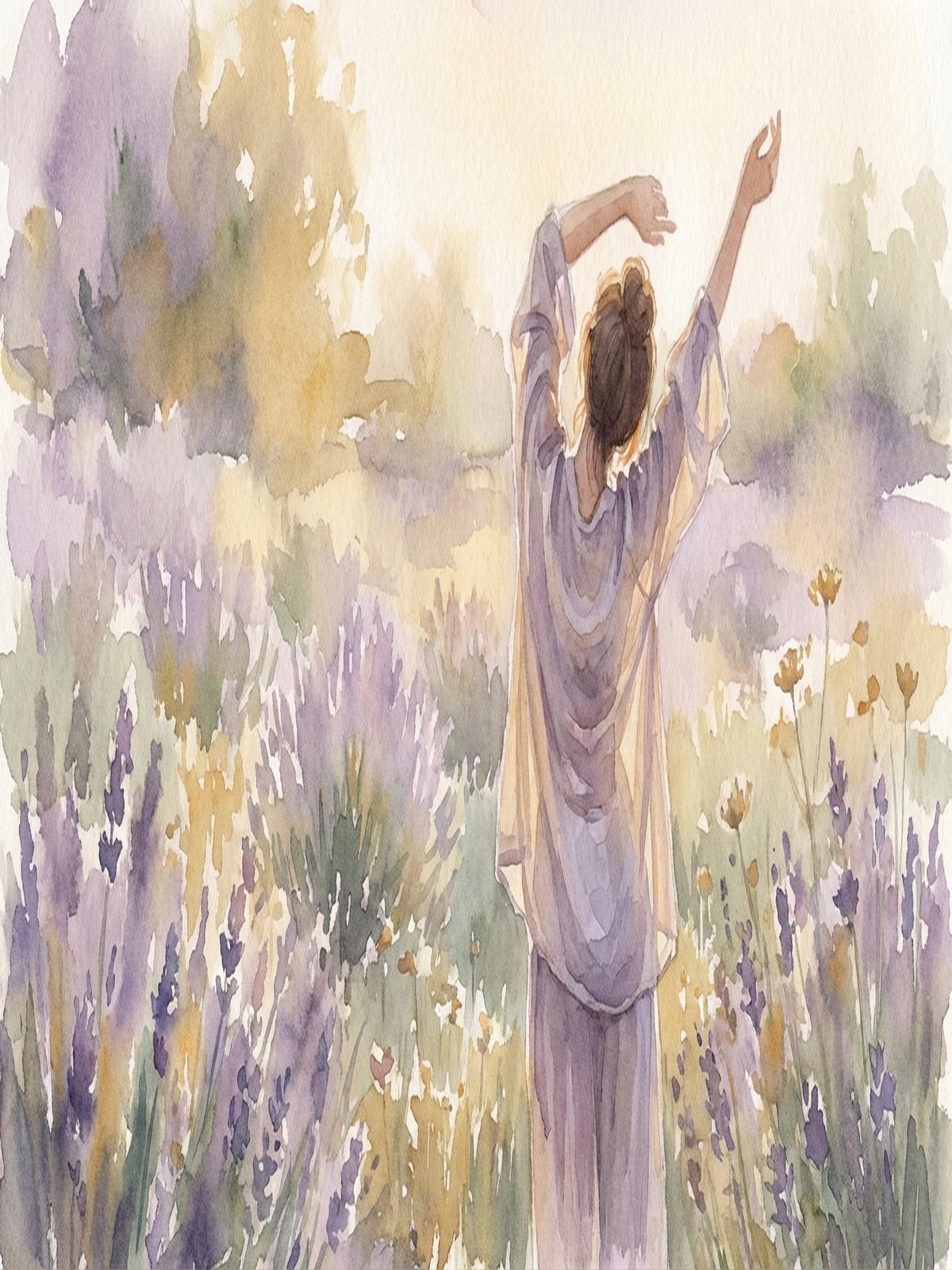
Somatic exercises work with the body directly to release stored tension and stress. The idea is simple: your body holds onto experiences that your mind may have moved past. These exercises help complete the stress cycle physically, so your nervous system can actually let go.
6. Shaking and Tremoring
Animals in the wild literally shake after a threat passes — it’s how their nervous system discharges the activation energy. Humans have the same mechanism; we’ve just been socialised out of using it. Intentional shaking helps your body release what it’s been holding.
How to do it: Stand with your feet hip-width apart, knees slightly bent. Start shaking your hands, then let the shake travel up your arms, into your shoulders, down your torso, and through your legs. Shake your whole body loosely for 2-3 minutes. It might feel awkward at first — that’s normal. Let any sounds come out naturally. When you stop, stand still and notice what your body feels like.
7. Butterfly Hug (Self-Holding)
Originally developed for trauma processing, the butterfly hug combines gentle bilateral stimulation with the comfort of self-touch. The alternating tapping activates both hemispheres of your brain while the self-embrace sends safety signals to your nervous system.
How to do it: Cross your arms over your chest so your hands rest on your opposite shoulders (like giving yourself a hug). Alternately tap your right hand, then your left hand, in a slow, steady rhythm — like a heartbeat. Continue for 1-3 minutes while breathing slowly. You can close your eyes and think of a safe place or person while you tap.
8. Progressive Muscle Relaxation
When you deliberately tense a muscle and then release it, the release phase activates the parasympathetic nervous system. Working through your whole body creates a cascading relaxation effect that’s hard to achieve through willpower alone.
How to do it: Start with your feet. Curl your toes tightly and hold for 5-7 seconds. Release completely and notice the contrast. Move to your calves — tense, hold, release. Continue through your thighs, glutes, abdomen, hands (make fists), arms, shoulders (shrug to ears), and face (scrunch everything). Spend about 30 seconds on each area. When you’ve finished, lie still for a minute and notice how your whole body feels.
9. Orienting (Looking Around)
When your nervous system is in threat mode, your vision narrows — literally. Orienting is the practice of slowly, deliberately looking around your environment. It sends a signal to your primitive brain: “I’m safe enough to look around. There’s no immediate danger here.”
How to do it: Slowly turn your head and look around the room. Really see what’s there. Notice colours, textures, shapes. Let your gaze rest on anything that feels pleasant or neutral — a plant, a patch of sunlight, the texture of a cushion. Spend 30-60 seconds just looking. You might notice a subtle sigh or a softening in your shoulders as your system registers safety. This pairs beautifully with the grounding techniques in our other guide.
10. Jaw Release
Your jaw is one of the primary places your body stores stress. A clenched jaw signals threat to your entire system. Releasing it sends an immediate “all clear” message.
How to do it: Open your mouth as wide as is comfortable. Move your jaw gently from side to side. Place your fingertips on your jaw joints (just in front of your ears) and massage in small circles. Then let your mouth hang open slightly with your tongue resting on the roof of your mouth. Take 5 slow breaths with your jaw completely relaxed. Notice how the softness in your jaw travels down through your neck and shoulders.
Breathwork for Nervous System Regulation
Breathwork is one of the most direct ways to communicate with your nervous system. These three techniques are specifically chosen for their regulatory effect. For a deeper dive into breathing practices, see our complete guide to breathwork exercises for beginners.
11. Physiological Sigh (Double Inhale)
This is arguably the fastest known way to calm your nervous system — Stanford neuroscientist Andrew Huberman’s research shows it works in a single breath cycle. Your body actually does this naturally when you cry or right before you fall asleep.
How to do it: Take a quick inhale through your nose, then immediately take a second shorter “sip” of air on top (a double inhale). Then exhale slowly and fully through your mouth. One round is often enough to feel a noticeable shift. Repeat 2-3 times if needed. This works because the double inhale maximally inflates the tiny air sacs in your lungs, which then triggers a powerful calming exhale.
12. Coherent Breathing (5-5)
Breathing at a rate of about 5-6 breaths per minute creates something called “respiratory sinus arrhythmia” — a healthy variation in heart rate that indicates your nervous system is in a balanced, flexible state. It’s the breathing rate that creates maximum coherence between your heart and brain.
How to do it: Inhale for 5 counts. Exhale for 5 counts. No holds, no pauses — just a smooth, continuous rhythm like ocean waves. Practise for 5-20 minutes. This one is particularly powerful as a daily practice. Over time, it actually retrains your nervous system’s baseline, making you naturally more resilient to stress.
13. Box Breathing (4-4-4-4)
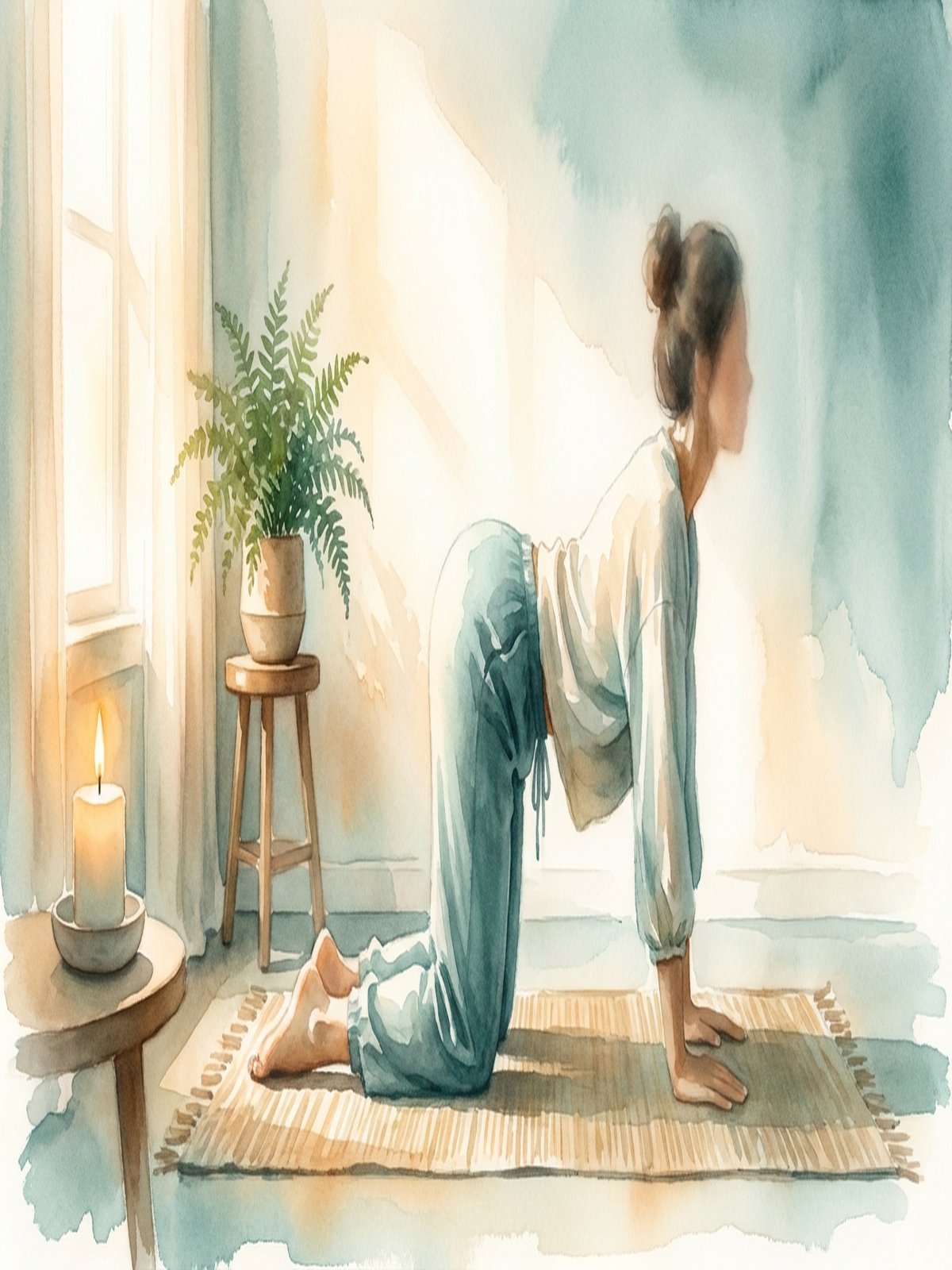
The equal-count structure of box breathing creates a predictable rhythm that your nervous system locks onto. The holds are what make it especially regulatory — they give your system a moment to pause and recalibrate between each phase.
How to do it: Inhale for 4 counts. Hold for 4 counts. Exhale for 4 counts. Hold for 4 counts. Repeat for 4-8 rounds. Visualise tracing the sides of a square. If the holds feel uncomfortable, start with 3-3-3-3 and build up gradually.
Gentle Movement and Grounding Exercises
Sometimes your nervous system needs movement, not stillness. These final two exercises use gentle physical engagement to help your body come back into balance.
14. Grounding Through the Feet
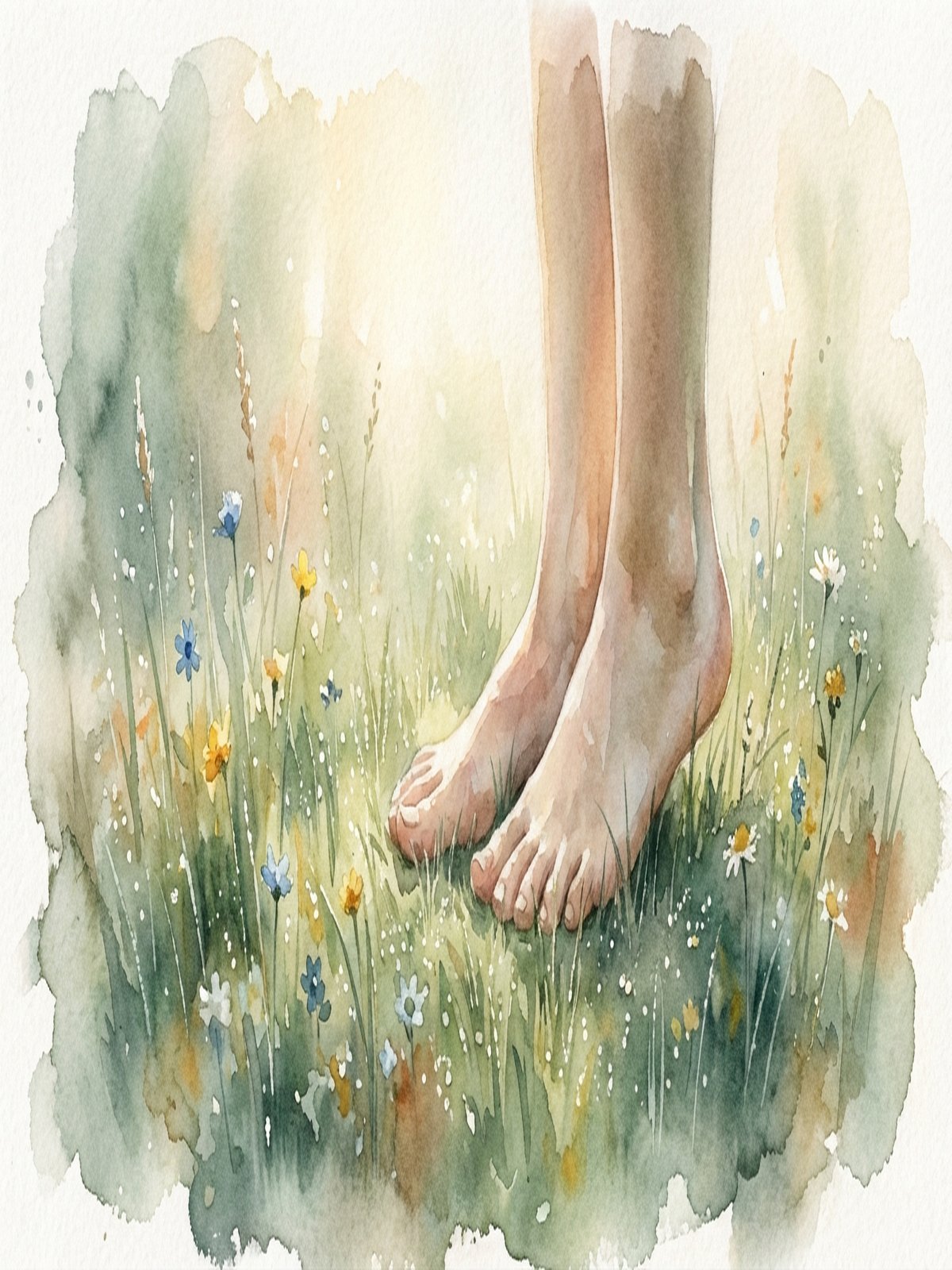
Your feet are packed with nerve endings that connect to your entire nervous system. Bringing awareness to your feet — literally feeling the ground beneath you — is one of the fastest ways to drop out of racing thoughts and into your body.
How to do it: Stand barefoot if possible. Press your feet firmly into the ground. Notice the temperature of the surface beneath you. Rock gently forward and back, side to side, finding your centre of balance. Press each toe into the floor individually. Spend 2-3 minutes just feeling your feet. If you can do this outside on grass or earth, the grounding effect is even stronger. For more grounding practices, see our full guide on how to ground yourself.
15. Slow Neck Rolls and Shoulder Drops
The muscles in your neck and shoulders are directly connected to your vagus nerve and stress response. Chronic tension here keeps your nervous system in a low-level alert state. Slow, intentional movement breaks that pattern.
How to do it: Drop your chin to your chest. Slowly roll your head to the right, letting the weight of your head do the work (no pushing). Continue around to the back, left, and forward again. Do 3 slow circles in each direction. Then inhale your shoulders up to your ears, hold for 3 seconds, and exhale as you drop them completely. Repeat the shoulder drops 5 times. With each drop, imagine you’re literally letting go of whatever you’ve been carrying.

Building a Daily Nervous System Practice
Quick Answer: Even 5 minutes of nervous system regulation exercises daily can build lasting resilience. Start with one exercise that resonated, practise it consistently for a week, then gradually add more as they become natural.
You don’t need to do all 15 exercises every day. That would be overwhelming — and overwhelm is exactly what we’re trying to reduce. Instead, think of these as a toolkit. Different moments call for different tools.
A simple daily framework:
- Morning (2 minutes): Coherent breathing or physiological sighs to set a calm baseline for the day
- Midday check-in (1 minute): Orienting exercise + jaw release to discharge accumulated tension
- Evening (3 minutes): Progressive muscle relaxation or extended exhale breathing before sleep
- As needed: Cold water, shaking, or butterfly hug during acute stress moments
Consistency matters more than duration. Five minutes every day will rewire your nervous system’s baseline more effectively than an hour once a week. For building other gentle daily habits, our guide to gentle morning spiritual rituals is a lovely companion to this practice.
Get Your Free Daily Calm Toolkit
Get Your Free Daily Calm Toolkit
Your Daily Calm Toolkit includes printable nervous system regulation exercise cards, breathwork guides, a mindful morning routine checklist, and calming affirmations — everything you need to build a simple daily practice for nervous system health. Sign up below to get instant access!
Download Your Free Daily Calm Toolkit Here →
You can also explore more free mindfulness printables in our resources section.
Nervous System Regulation FAQs
How long does it take to regulate a dysregulated nervous system?
Individual exercises can shift your state within minutes. Building lasting nervous system resilience — where your baseline becomes calmer and you bounce back from stress more easily — typically takes 4-8 weeks of consistent daily practice. Think of it like building a muscle: each session makes a small difference that compounds over time.
What’s the fastest way to calm your nervous system?
The physiological sigh (double inhale, long exhale) is the fastest evidence-based technique — it can shift your state in a single breath cycle. Cold water on the face is also extremely rapid, working within seconds via the dive reflex. For slightly longer but deeply effective calming, extended exhale breathing (inhale 4, exhale 8) works within 1-2 minutes.
Can nervous system exercises help with anxiety?
Yes — and many therapists now consider nervous system regulation a foundational approach to anxiety management. Anxiety is essentially your nervous system being stuck in a threat response. These exercises help your body complete the stress cycle and return to a state where calm is possible. They work alongside (not as a replacement for) professional support if needed.
What is the vagus nerve and why does it matter?
The vagus nerve is the longest cranial nerve in your body, running from your brainstem through your neck, chest, and abdomen. It’s the main pathway of your parasympathetic (calming) nervous system. When stimulated through exercises like humming, cold exposure, or slow breathing, it signals your entire body to shift from stress mode into rest-and-restore mode.
Are these exercises safe for everyone?
The gentle exercises in this guide are safe for most people. However, if you have a trauma history, some somatic exercises (particularly shaking and tremoring) can occasionally release intense emotions. Go slowly and stop if anything feels overwhelming. If you’re working with a therapist, these exercises can be wonderful to discuss with them and integrate into your therapeutic work.
Your Body Already Knows the Way
Here’s what I want you to take away from this: your nervous system isn’t broken. It’s been doing exactly what it was designed to do — protecting you. These nervous system regulation exercises aren’t about fixing something wrong. They’re about giving your body the signals it needs to know that right now, in this moment, you’re safe enough to rest.
Start with one exercise. Maybe it’s the physiological sigh because it takes literally one breath. Maybe it’s the ear massage because you can do it while watching telly. Whatever calls to you — try it today. Notice what shifts in your body, not what you think should shift. That noticing? That’s already regulation happening.
Your body has been waiting for this kind of attention. Give it a try.
Follow @thespiritecho on Instagram and Pinterest for daily calm inspiration and gentle wellness practices.
You Might Also Like
- 10 Simple Breathwork Exercises for Beginners
- Grounding Techniques for Anxiety
- How to Ground Yourself
- Finding Inner Peace
- Highly Sensitive Person Self Care
Pin this for later!