
Exploring the world of healing herbs can be an enlightening way to enhance your health and well-being.
For centuries, men have turned to nature’s pharmacy to find remedies for various ailments and to support overall vitality.
Whether you’re looking to calm your mind after a long day, boost your energy levels, or support your body’s natural defences, there’s a wealth of botanicals that may offer beneficial properties.
Remember, it’s important to consult with your healthcare provider before adding new herbs to your regimen, especially if you have pre-existing health conditions or are taking other medications.
Table of Contents
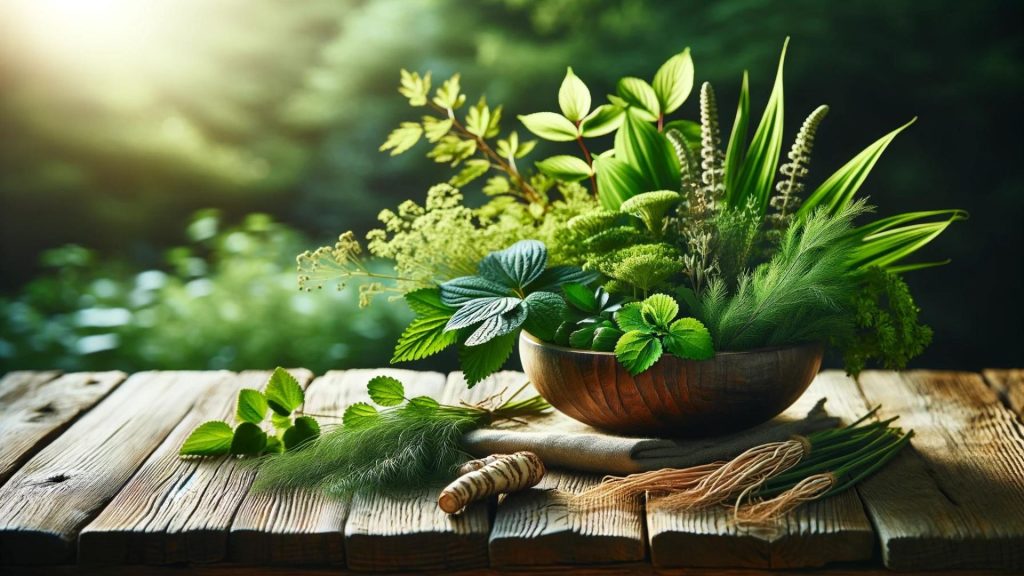
From the relaxing qualities of Skullcap to the endurance and vitality supported by Ashwagandha, these gifts from the earth have been revered for their ability to harmonize with our bodies.
Many of these herbs can be enjoyed as teas, tinctures, or supplements, making them an easy addition to your daily routine. Some, like Saw Palmetto, have even been studied for their specific benefits in men’s health, such as supporting prostate wellness.
While healing herbs offer promising benefits, it’s crucial to approach their use with knowledge and respect.
Understanding the right herb for your needs, the correct dosage, and potential interactions are key factors in safely and effectively incorporating these plants into your life. Whether it’s the potential anti-inflammatory powerhouse of Turmeric or the soothing properties of Lavender, these natural allies may provide gentle support on your journey to optimal health.
9 Healing Herbs for Men
When considering natural ways to support your health, various herbs may offer benefits tailored to men’s wellness. Here’s a list of nine herbs that you might find beneficial:
- Saw Palmetto: Often used to promote prostate health and balance hormone levels.
- Ginger: Known for its digestive aid and anti-inflammatory properties.
- Turmeric: A potent anti-inflammatory agent that can also boost your overall vitality.
- St. John’s Wort: May help in managing stress and promoting a positive mood.
- Garlic: Supports cardiovascular health and has a reputation for improving immunity.
- Ginseng: Traditionally used to increase energy, improve concentration, and potentially enhance physical performance.
- Rhodiola: An adaptogen that can assist in managing stress levels and promoting endurance.
- Green Tea: Rich in antioxidants, it’s valued for its potential in weight management and metabolic support.
- Hawthorn: Linked to cardiovascular health, including maintaining blood pressure and cholesterol levels within a normal range.
Each herb comes with its own set of potential benefits and should be integrated into your routine with mindfulness to how they interact with your body and any medications you may be taking.
Always consult with a healthcare professional before starting any new supplement regimen.
Fundamental Healing Herbs for Men
In this section, you’ll discover three fundamental herbs that are not only common kitchen staples but also powerful allies for your health. Each has its unique properties, from battling inflammation to supporting heart health.
Ginger: The Versatile Spice
Ginger, a root known for its zesty flavour, is a potent anti-inflammatory agent that can help manage various conditions.
Incorporating ginger into your diet might aid in soothing muscle pain, reducing soreness, and bolstering your immune system.
It’s also been associated with potential benefits in reducing blood pressure and nausea.
Turmeric: Nature’s Anti-Inflammatory
Turmeric is a vibrant yellow spice celebrated for its health benefits, particularly its high antioxidant content.
It’s powered by an active component called curcumin, which can significantly reduce bodily inflammation.
This spice supports your overall wellness and is easy to include in your meals for a health boost.
Garlic: The Heart-Health Ally
Long hailed for its ability to enhance flavour, garlic is also terrific for your heart health.
It has been found to have a positive impact on blood pressure and cholesterol levels, which are pivotal for maintaining a healthy cardiovascular system.
Regular consumption can contribute to the prevention of heart-related issues and improve your body’s immune response.
Integrating Healing Herbs into Diet and Lifestyle
Incorporating healing herbs into your diet and lifestyle can be a rewarding way to enhance your health.
Whether you choose to take them as supplements or use them fresh or dried in your cooking, the benefits of these versatile plants can be easily integrated into your daily routine.
Supplements vs. Whole Herbs
When opting for herbs as a supplement, it’s critical to seek out high-quality products from reputable suppliers.
Supplements can provide concentrated doses of an herb’s active components, making it easier to know exactly how much you’re consuming.
On the other hand, whole herbs maintain their natural balance of compounds, potentially offering a broader spectrum of health benefits.
Integrating whole herbs into your diet can be as simple as sprinkling powdered ginger into your smoothie or brewing a cup of ginseng tea.
Herbs in Culinary Uses
Herbs have long been celebrated for their rich flavours, making them staple spices and herbs in culinary traditions around the world.
Try adding fresh basil to your pasta, rosemary to your grilled meats, or oregano to your soups.
Each of these herbs brings not just flavour but also particular health benefits to your meals.
By using fresh herbs, you can create dishes that support your diet and health without sacrificing taste.
Organic and Sustainable Choices
Choosing organic herbs is a way to ensure that the products you consume are free from pesticides and other harmful chemicals.
This not only supports your personal health but also contributes to more sustainable farming practices.
Whenever possible, opt for organic herbs and spices to enrich your diet.
They can be found at local farmers’ markets or health food stores, giving you access to high-quality options that support both your lifestyle and the environment.
Addressing Men’s Health Concerns with Herbs
Incorporating herbs into your health regimen can target specific men’s health concerns, like heart health and stress, while potentially enhancing libido and prostate health.
Herbs for Cardiovascular Benefits
Your heart health is paramount, and certain herbs may support cardiovascular function.
Hawthorn is known for its potential to regulate blood pressure and improve blood flow.
Including hawthorn in your diet could help manage cholesterol levels, a key player in heart disease prevention.
On the other hand, Garlic, though not exclusively a herb, has been shown to have a positive impact on heart health, with the potential to lower cholesterol and blood pressure.
Managing Stress and Anxiety
You know how overwhelming stress and anxiety can be.
Adaptogenic herbs, such as Ashwagandha, can help your body cope with stress.
Cardamom is another herb that not only has a calming effect but may also help reduce high blood pressure, a common stress-related health concern.
Mindfully incorporating these herbs could promote relaxation and mental well-being.
Herbs Targeting Prostate and Libido
To address concerns like prostate health and libido, herbs may be a gentle aid.
Saw Palmetto is widely recommended for prostate health and may impact testosterone levels positively.
For boosting libido, Maca is a well-regarded option that provides energy and supports hormonal balance.
It’s worth considering these herbs if you’re seeking natural ways to support these aspects of your health.
Safety, Side Effects, and Consultation
When exploring the use of healing herbs for men’s health, it’s crucial to consider the potential risks involved.
Your safety is paramount, and awareness of side effects and how these natural remedies may interact with any medications you’re taking is important.
Always consult with a healthcare practitioner before starting any herbal regimen.
Possible Adverse Reactions
Herbs, like any substance with medicinal properties, have the potential to cause adverse reactions.
For instance, though Ginseng is revered for its energizing properties, it might cause insomnia or increased heart rate in some individuals.
Similarly, Ginkgo, known for enhancing cognitive function, can lead to mild upset stomach or headache.
Being mindful of your body’s responses is key when introducing new herbs.
Interaction with Medications
Herbs can affect how your medications work, possibly reducing their effectiveness or enhancing side effects.
For example, Saint John’s Wort is known to interact with a variety of drugs, including antidepressants and blood thinners, potentially leading to serious health issues.
If you’re on any medication, a detailed discussion with your healthcare practitioner about potential herb-drug interactions is non-negotiable.
Guidelines for Safe Use of Herbs
- Start Slowly: Begin with smaller doses and increase gradually, allowing your body to adjust.
- Quality Matters: Opt for high-quality, reputable brands that offer transparency on ingredient sourcing.
- Be Informed: Educate yourself about each herb and its effects on your health.
- Be Informed: Resources like Verywell Health can offer insights.
- Professional Guidance: The guidance of a knowledgeable healthcare practitioner can’t be substituted.
Professional Guidance: They can help you navigate safety and effectiveness, considering your health history and current conditions.